
Sinus lift
Long after upper molars are lost, the empty space above them (maxillary sinus) drops down and there is not enough bone height for an implant.
A sinus lift carefully raises the floor membrane of the maxillary sinus, the hollow space inside the cheekbone above the upper molars, and fills bone graft material beneath it to create enough height for an implant.
Who it is for
- I was told the bone at my upper molar site is low
- My upper molar was extracted long ago
- I have worn an upper denture for a long time
- Gum disease has greatly reduced the bone at my upper molars
- Another clinic said upper implants would be difficult
- I have sinusitis and wonder if implants are possible
Not everyone needs this surgery
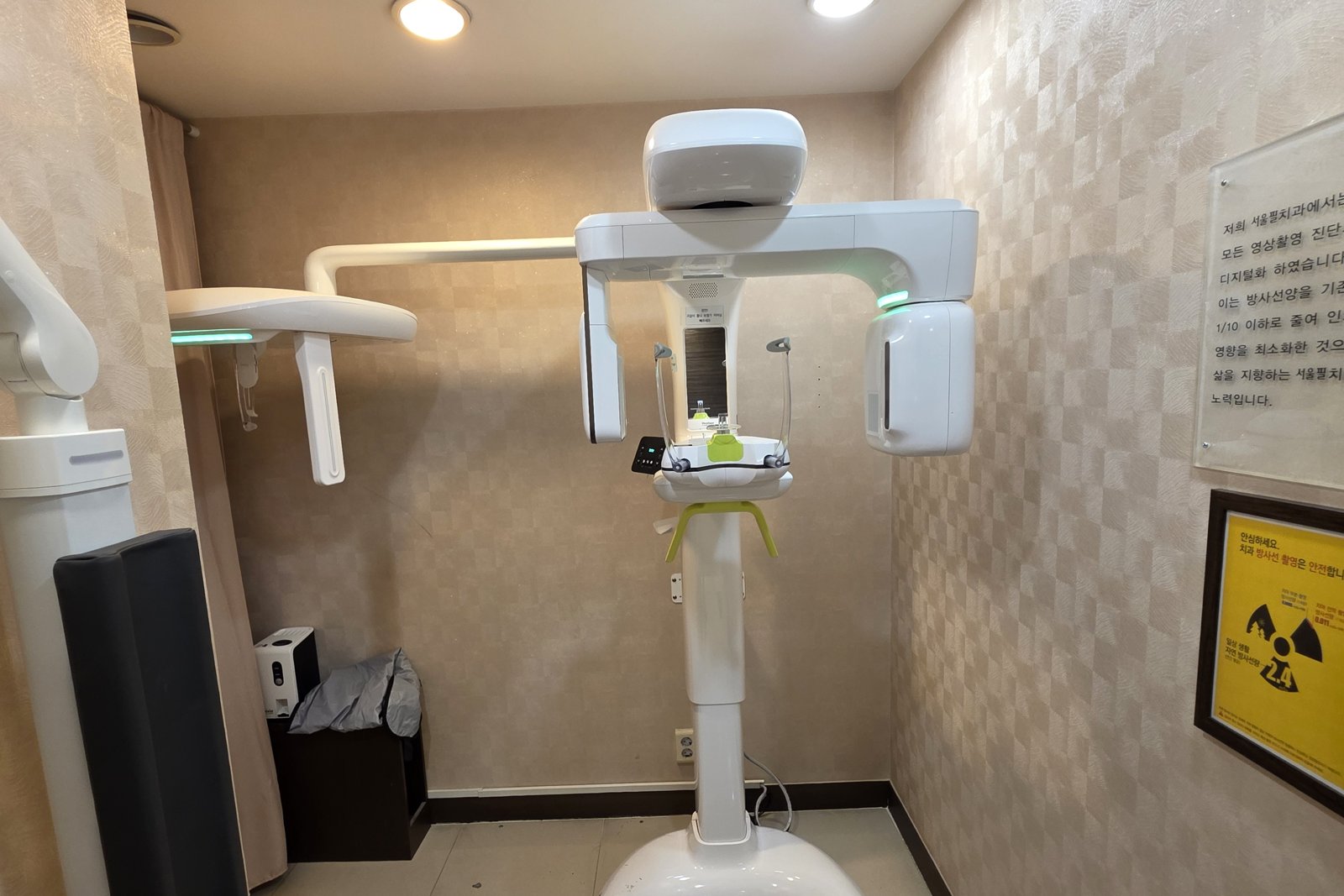
If enough bone height remains, the implant can be placed without a sinus lift. If you have sinusitis or a cyst, it is treated by an ENT specialist first. We decide after checking the sinus with 3D CT.
Approaches
Crestal approach
The sinus membrane is gently raised through the implant hole. Used when some bone remains; recovery is quick.
Lateral approach
A small window is made on the side of the gum and the membrane is raised widely to fill bone. Used when bone is very low.
Bone grafting · implants
If needed, surrounding bone is grafted along with the sinus lift.
Treatment steps
- 3D CT diagnosisWe check the remaining bone height, sinus membrane thickness and any sinusitis.
- Choosing the approachWe choose a crestal or lateral approach based on bone height and decide whether to place the implant at the same time.
- Sinus lift · bone graftThe sinus membrane is raised and graft material is placed.
- Bone maturationUsually 4–8 months, depending on the area.
- RestorationOnce the implant bonds with the bone, the tooth is attached.
- Anesthesia
- Local anesthesia
- Diagnosis
- 3D CT
- Bone maturation
- Usually 4–8 months
- Precaution period
- No nose blowing for 2 weeks
Before treatment
- For a few days after surgery there may be a light nosebleed, cheek swelling or bruising.
- If the sinus membrane is thin it may tear during surgery; in that case the membrane is reinforced or surgery is postponed.
- Rarely, sinusitis may develop, so medication is prescribed after surgery.
- For 2 weeks, avoid blowing your nose hard, using straws and flying.
- Treatment results and recovery time vary with each patient's oral condition.
Frequently asked questions
Is sinus lift a risky surgery?
It requires experience, but it is a long-proven method. We check the sinus anatomy with 3D CT in advance and prepare for cases where the membrane is thin.
Can I have it if I have sinusitis?
We do not proceed while there is inflammation. Surgery is done after ENT treatment calms it.
Can I blow my nose after surgery?
For about 2 weeks, do not blow your nose hard, and sneeze with your mouth open. Pressure strains the raised membrane.
Can the implant be placed the same day?
If the remaining bone can hold the implant, it is placed the same day. If bone is very low, we wait after the sinus lift and place it later.
How long does it take?
With a crestal approach and simultaneous placement, 4–6 months; a staged lateral approach can take longer.

Board-certified periodontist · wrote and reviewed this page. Lectures on sinus lift for dentists in Korea and abroad. Last updated