1. Home
  2. Treatment Guide
Treated by Dr. Park himself

Treatments and clinical cases

What each treatment is, how it proceeds, and its possible side effects and limits. Results and treatment time vary with each patient's oral condition.

About the treatment

Root coverage (gum regeneration)

Surgery that covers tooth roots exposed by receded gums with gum tissue. Where the gum is thin, it is thickened at the same time.
When it is considered

  • Exposed roots make teeth look long
  • Teeth are sensitive to cold water
  • Thin gums may recede further
  • There are notches or cavities near the root

Treatment steps

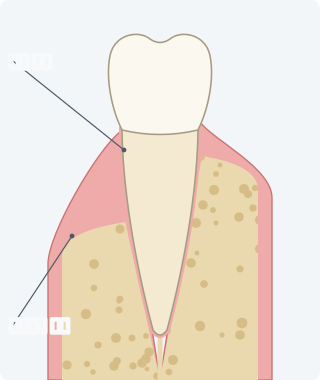
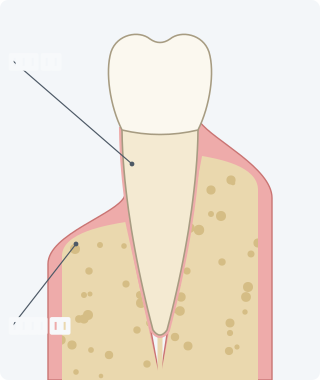
Illustration before root coverage
Before surgeryThe gum has receded and the root is exposed.
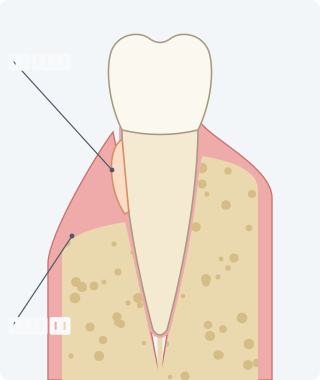
Illustration of placing connective tissue and covering it with gum
During surgeryConnective tissue is placed over the root and the gum is pulled up over it.
Illustration after root coverage
After surgeryThe root is covered and the gum becomes thicker.

Clinical cases

Before-and-after photos of the same patient treated at Seoulpil Dental Clinic, posted with the patient's consent. Taken under the same conditions; apart from resizing, brightness and color were not edited. Results and treatment time vary with each patient's oral condition; possible side effects are listed below.

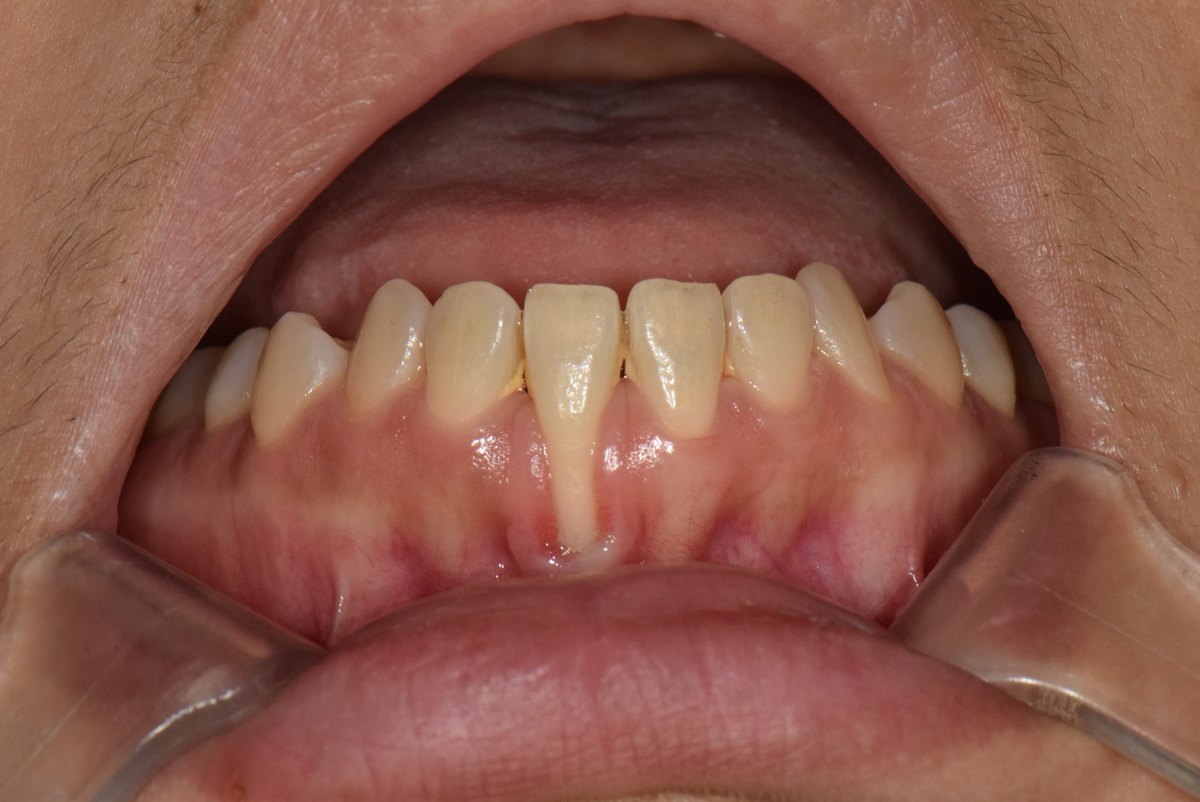
Lower front teeth before root coverage
Before surgery
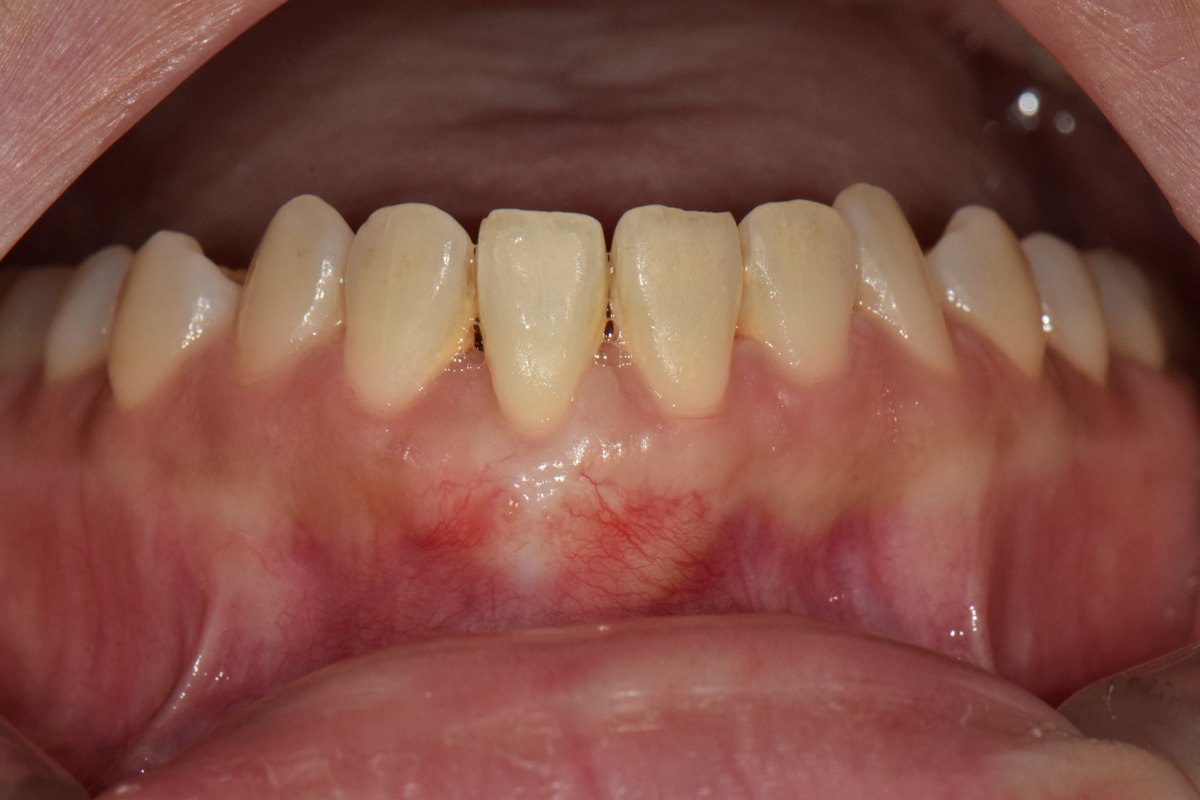
Lower front teeth 1.5 months after root coverage
1.5 months after surgery

Root coverage of lower front teeth

A case covered with gum tissue taken from the palate, using a tunnel technique without wide incisions.
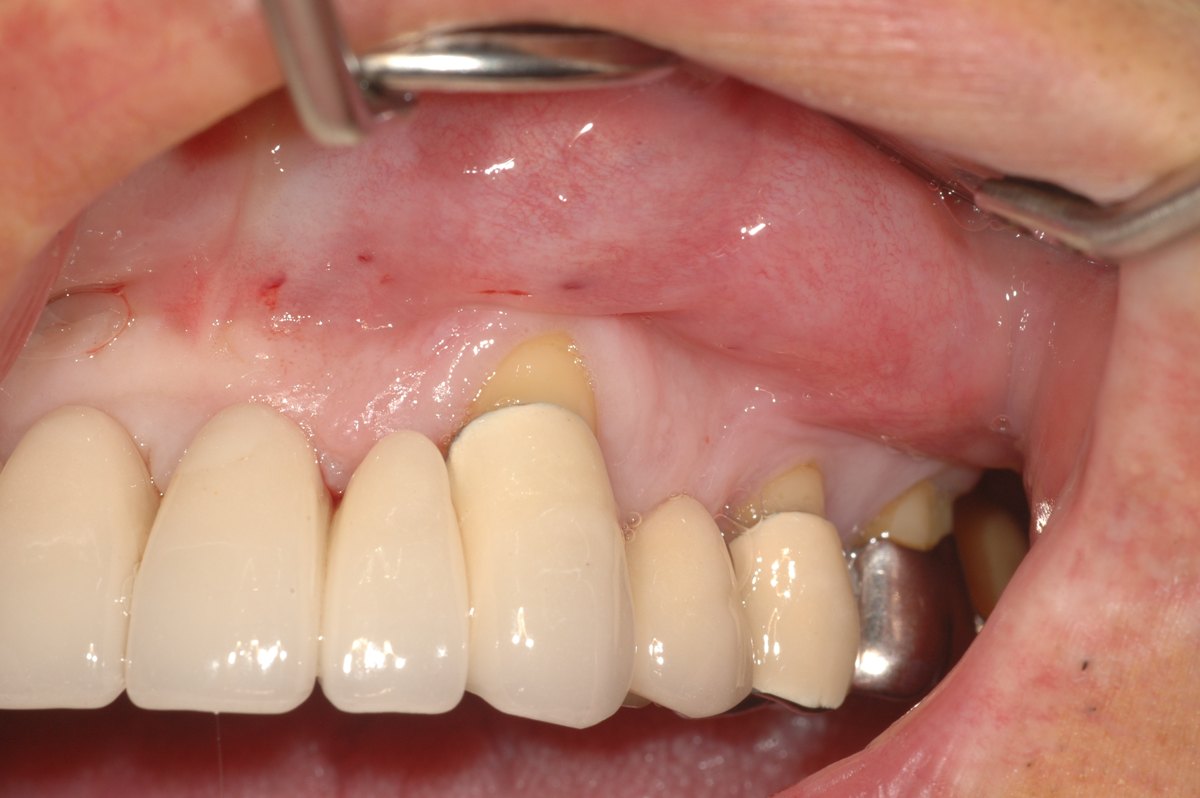
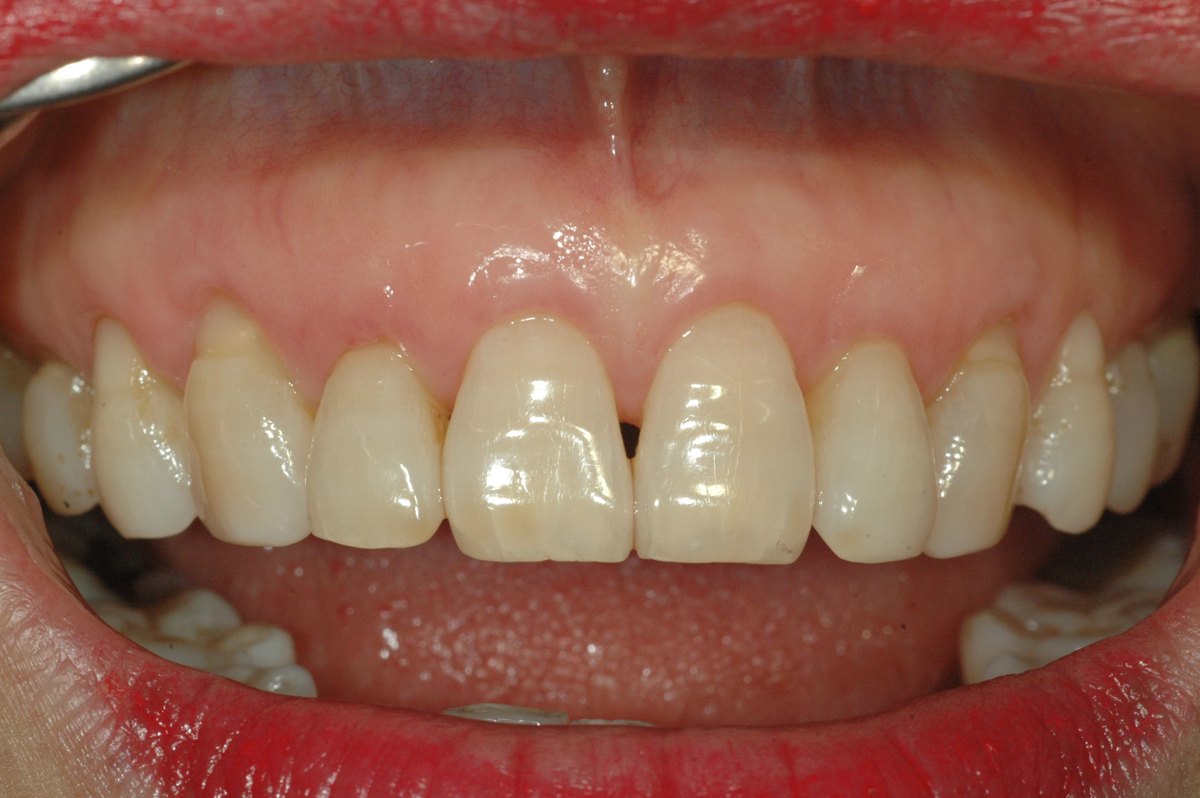
Exposed root on an upper crowned tooth, before surgery · taken March 2013
Before surgery · March 2013
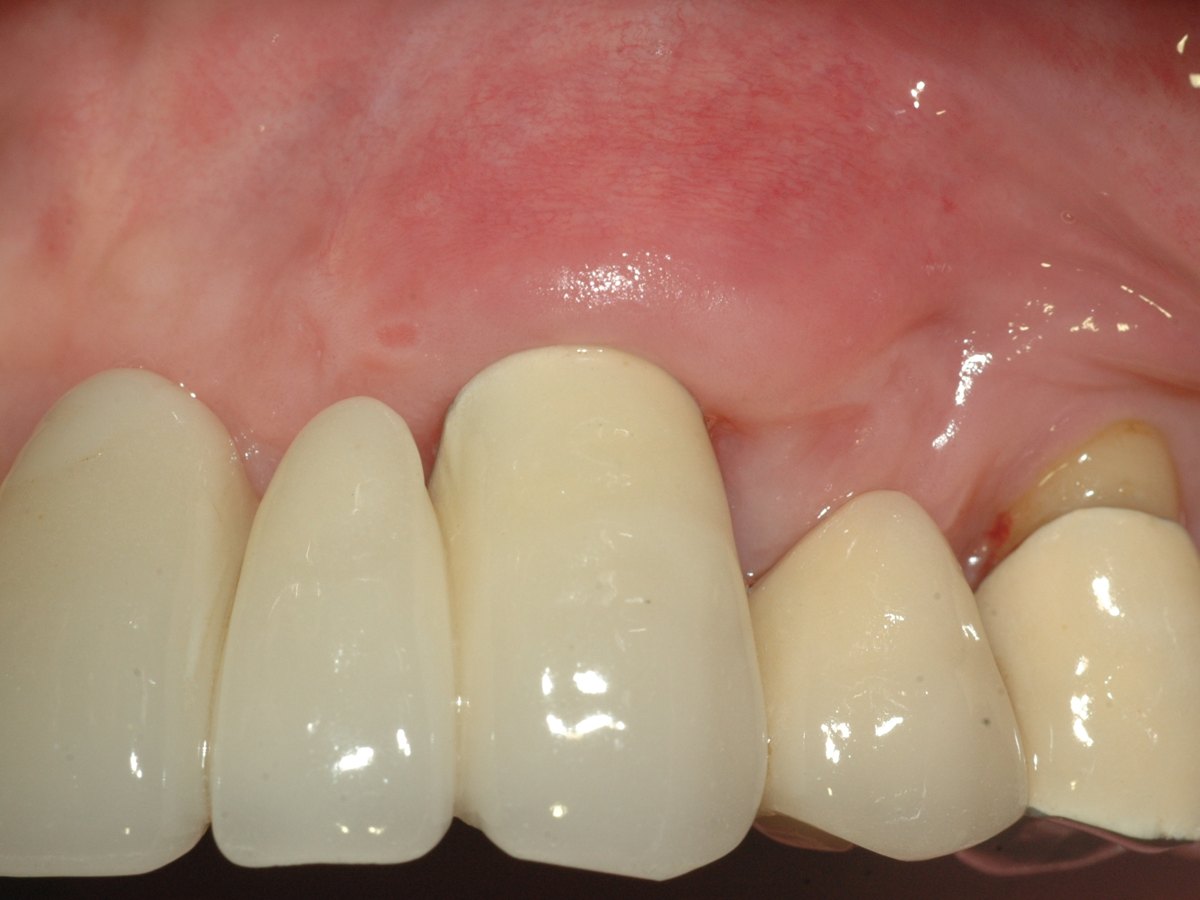
Exposed root on an upper crowned tooth, after surgery · taken August 2013
After surgery · August 2013

Exposed root on an upper crowned tooth

A case treating an exposed root above a crowned upper tooth.
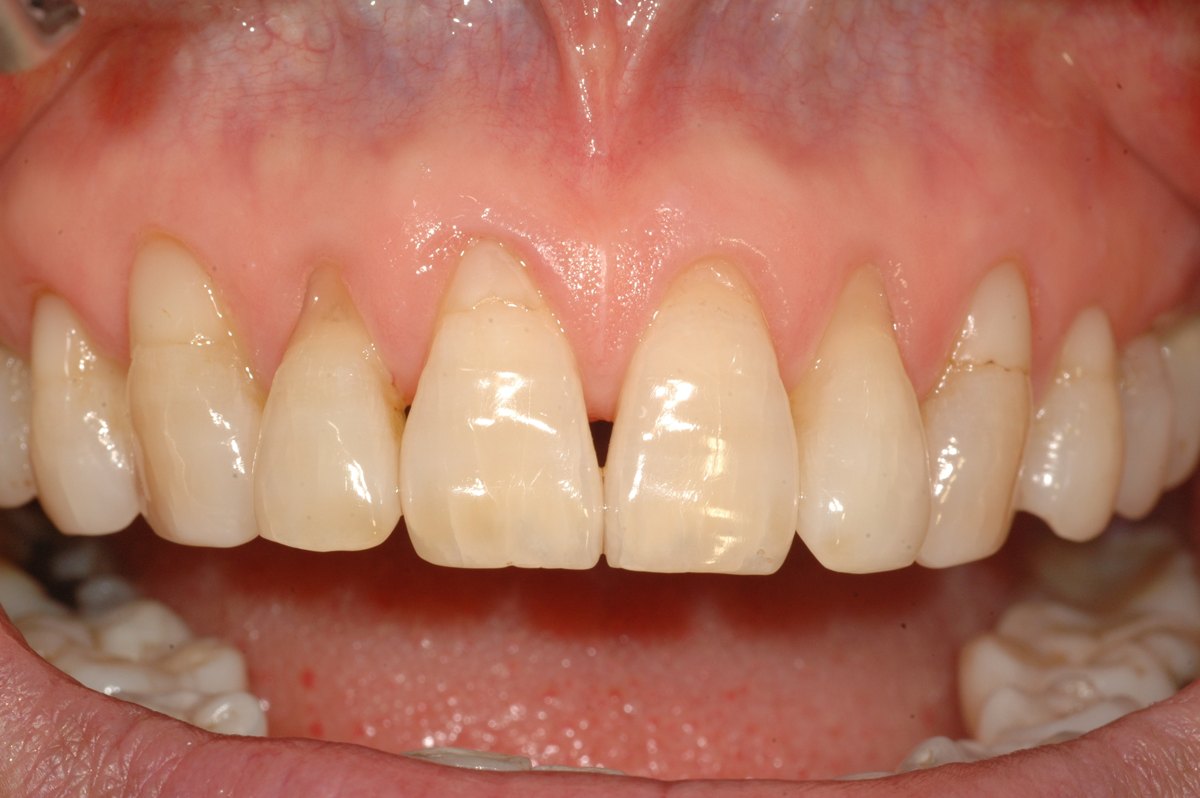
Root coverage of several upper front teeth, before surgery · taken June 2013
Before surgery · June 2013
Root coverage of several upper front teeth, after surgery · taken November 2013
After surgery · November 2013

Root coverage of several upper front teeth

A case treating the gums of several upper front teeth with a tunneling technique.

Side effects and limits

  • Pain, swelling, bleeding or infection may occur after surgery.
  • If palatal tissue is used, the palate may also be sore.
  • Depending on bone height and gum condition, the root may not be fully covered.
  • If the habits that caused recession remain, the gum may recede again.
  • Treatment results and recovery time vary with each patient's oral condition.

More about root coverage (gum regeneration)

About the treatment

Esthetic restorations

Restoring broken or uneven teeth with crowns or veneers. The gum line can be reshaped at the same time if needed.
When it is considered

  • A front tooth is chipped or worn
  • Tooth shapes and sizes are uneven
  • I want to replace old restorations
  • The gum line looks uneven when I smile

Treatment steps

  1. Exam and planningWe check the teeth and gums and decide on the shape together.
  2. Gum line contouringIf needed, the gum line is reshaped before the restoration.
  3. Tooth preparation and impressionsThe tooth is prepared and an intraoral scan or impression is taken.
  4. Temporary teethTemporary teeth are worn until the final restoration is ready.
  5. Fitting and maintenanceThe bite is checked before cementing, followed by regular checkups.

Clinical cases

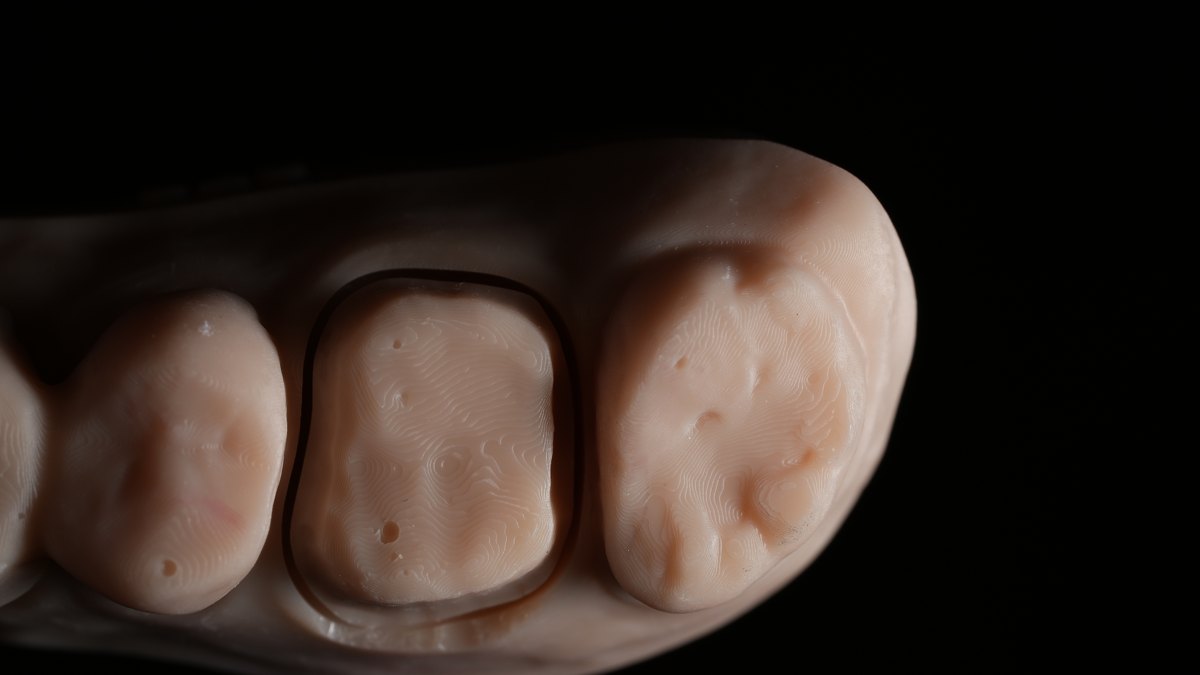
Zirconia crown (model photo), tooth preparation
Tooth preparation
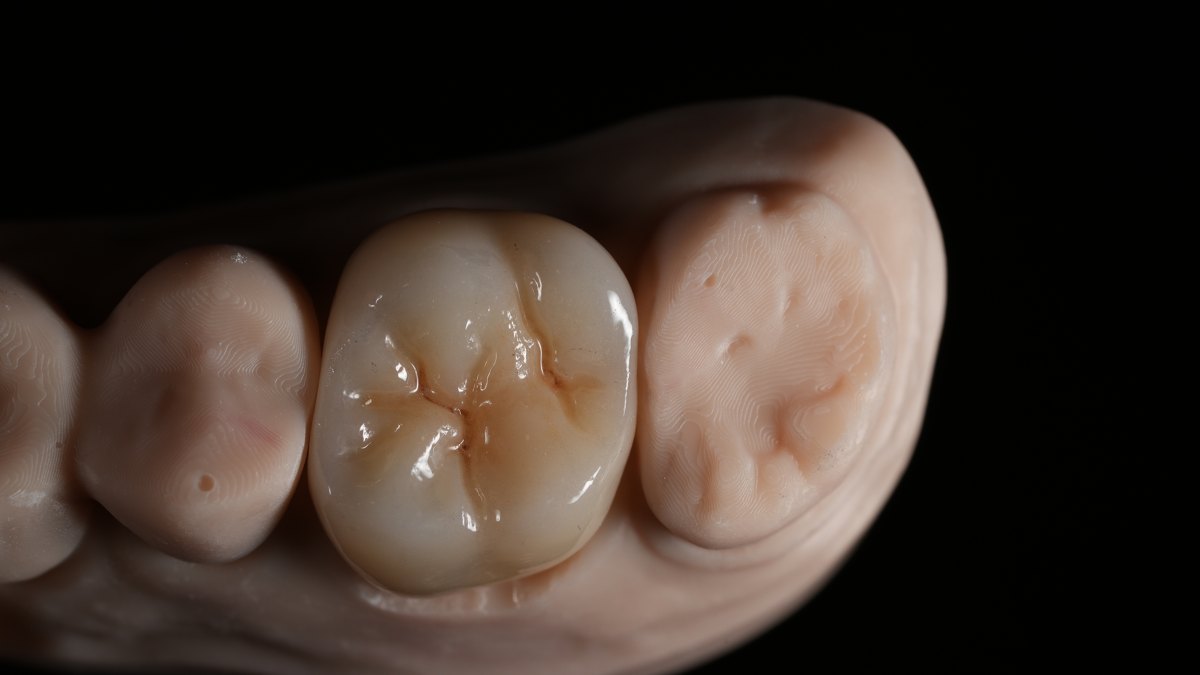
Zirconia crown (model photo), finished crown
Finished crown

Zirconia crown (model photo)

Photos of a plaster model, not a patient's mouth, showing the crown fitting after tooth preparation.

Side effects and limits

  • Some tooth structure may need to be removed.
  • Sensitivity may occur after treatment.
  • Restorations may chip or come off.
  • Treatment results and recovery time vary with each patient's oral condition.

More about esthetic restorations

About the treatment

Full-mouth implants

When most teeth are lost or cannot be saved, implants restore chewing and appearance for the whole mouth.

When it is considered

  • Few teeth remain
  • Full dentures are uncomfortable
  • Most teeth are loose from periodontitis

Treatment steps

  1. DiagnosisBone and teeth are examined with 3D CT and intraoral scans.
  2. Preparatory treatmentExtractions and bone grafting are done first if needed.
  3. Implant placementImplants are placed in the planned positions.
  4. Temporary teethTemporary teeth are used while the implants bond with the bone.
  5. Final restoration and maintenanceThe final restoration is connected, followed by regular checkups.

Clinical cases

Photos of a patient treated at Seoulpil Dental Clinic. Results and treatment time vary with each patient's oral condition; possible side effects are listed below.
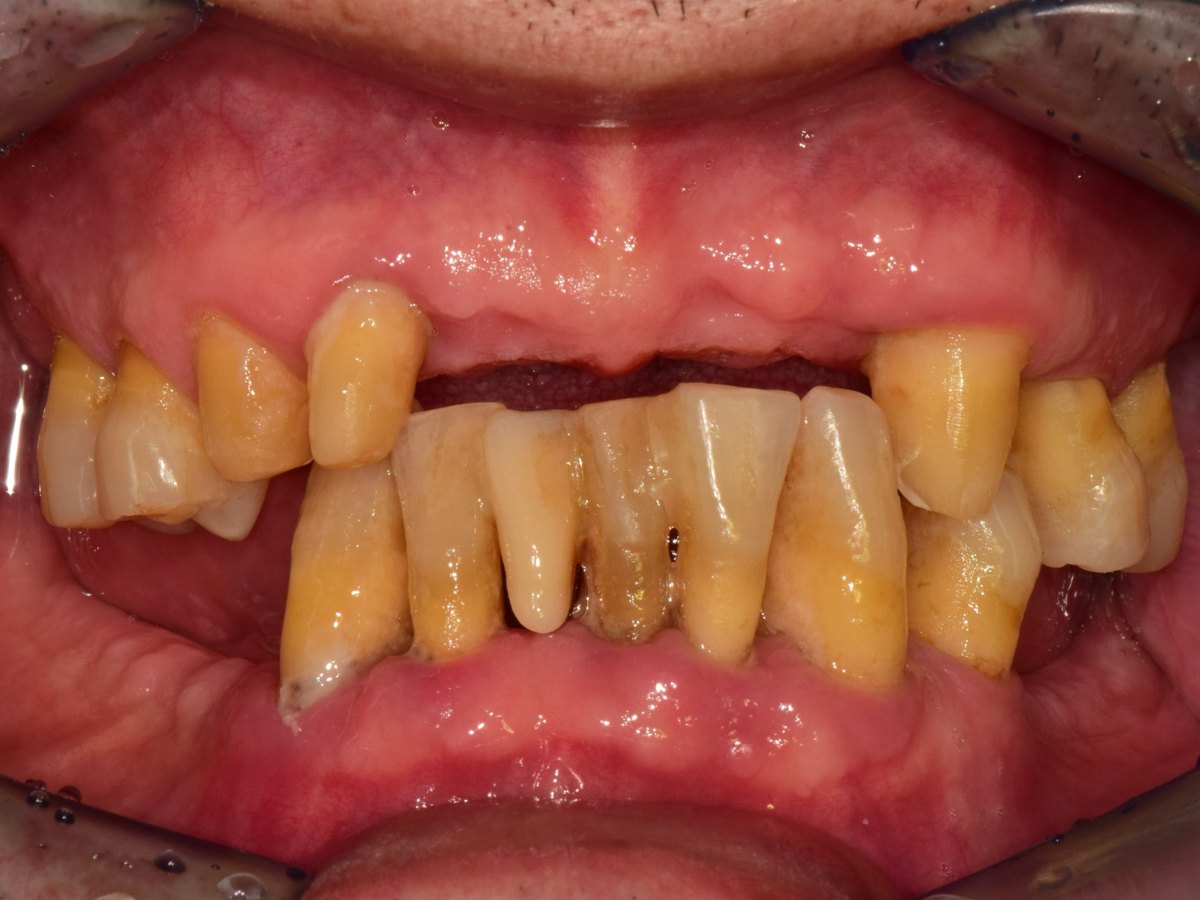
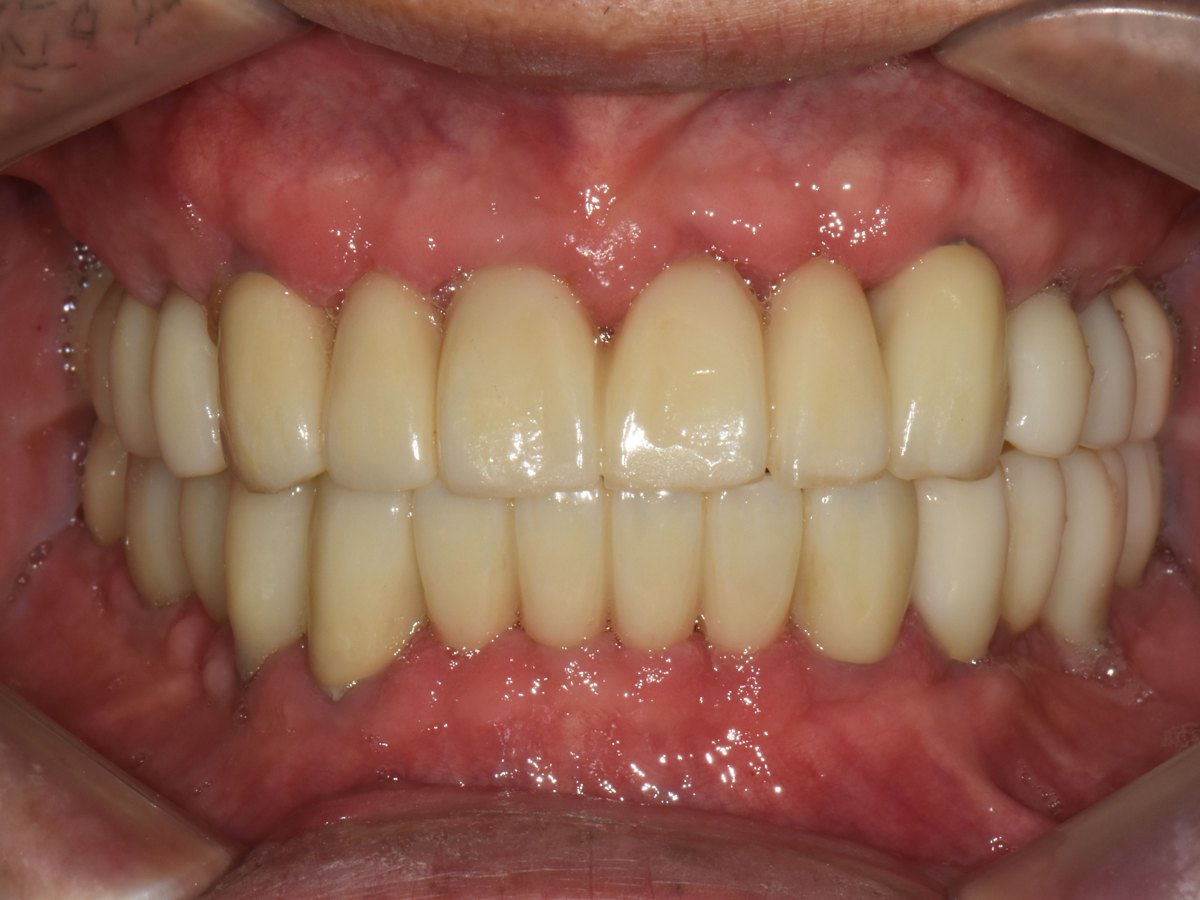
Full-mouth restoration with implants, before surgery
Before surgery
Full-mouth restoration with implants, final restoration
Final restoration completed

Full-mouth restoration with implants

A case where loose, painful teeth that made eating difficult were all extracted, implants were placed with a digital guide, temporary teeth were attached the same day, and final restorations completed the treatment.
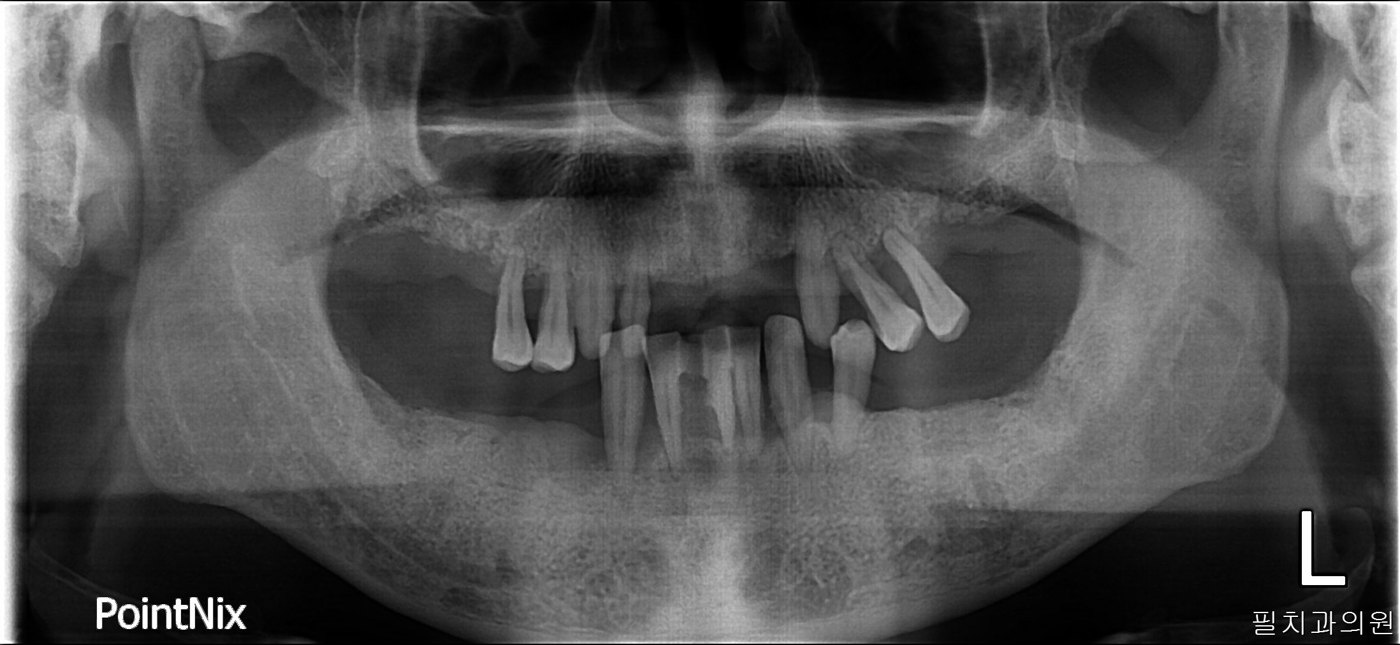
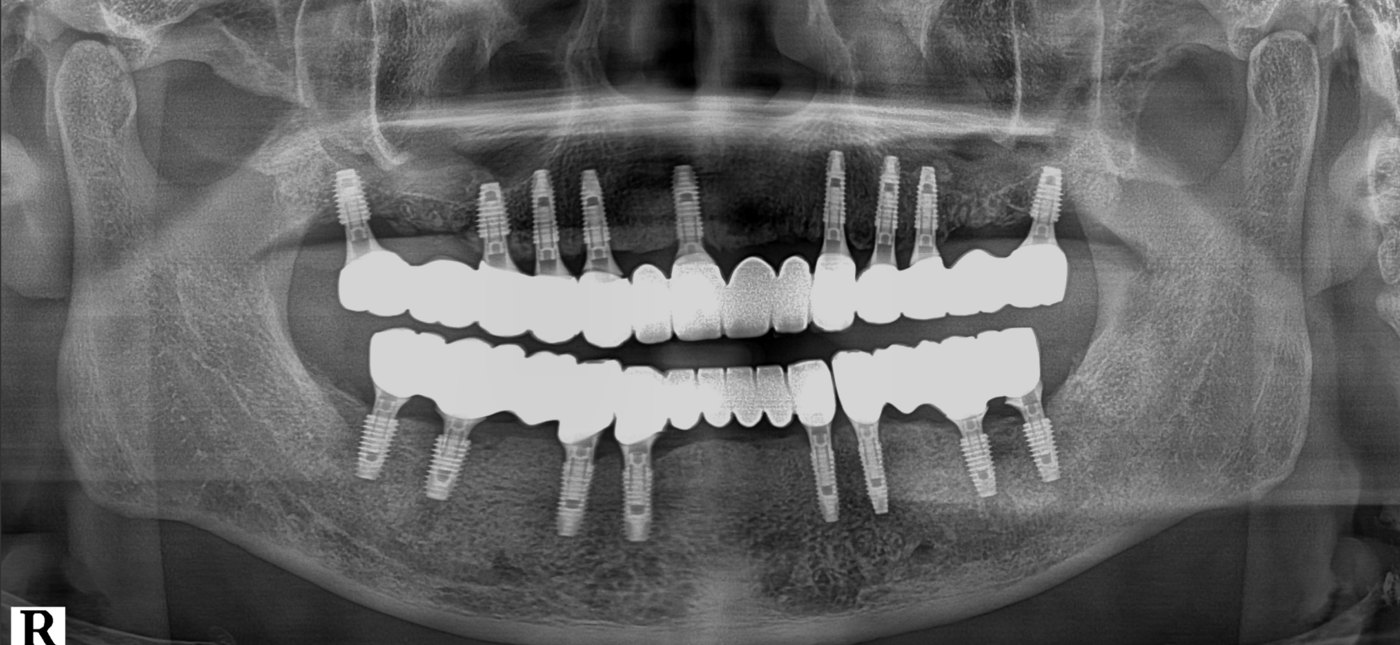
Panoramic X-rays of the same patient, panoramic image before surgery
Panoramic image before surgery
Panoramic X-rays of the same patient, 4 years later · taken June 2023
4 years later · June 2023

Panoramic X-rays of the same patient

Panoramic X-rays before surgery and 4 years after the final restoration. The two images were taken with different X-ray machines.

Side effects and limits

  • Pain, swelling, bleeding or infection may occur after surgery.
  • If an implant does not bond with the bone, it may need to be placed again.
  • Restorations may need repair.
  • Without proper care, peri-implantitis may develop.
  • Treatment results and recovery time vary with each patient's oral condition.

More about full-mouth implants

About the treatment

Bone grafting

Adding graft material where there is not enough bone for an implant. When the area is large, titanium mesh holds the space.

When it is considered

  • CT shows insufficient bone width or height
  • Bone has shrunk since a tooth was extracted long ago
  • Another clinic said there is not enough bone

Treatment steps

  1. CT diagnosisWe check where bone is lacking and how much.
  2. Bone graftingGraft material is placed and secured with titanium mesh if needed.
  3. Healing periodWe wait until the grafted bone has settled.
  4. Implant placementWe recheck the bone and place the implant.

Side effects and limits

  • Pain, swelling, bleeding or infection may occur after surgery.
  • The mesh may become exposed through the gum.
  • If the grafted bone does not settle well enough, additional surgery may be needed.
  • Treatment results and recovery time vary with each patient's oral condition.

More about bone grafting