
- Home
- Gum Treatment · Periodontal Regeneration
Gum Treatment · Periodontal Regeneration
Gum disease progresses without pain. By the time gums bleed or teeth feel loose, bone has often already been lost.
Gum disease (periodontitis) is a bacterial infection of the gums and bone around the teeth. We remove tartar above and below the gum line to calm the inflammation, treat or regenerate areas with significant bone loss surgically, and prevent it from coming back with regular maintenance.
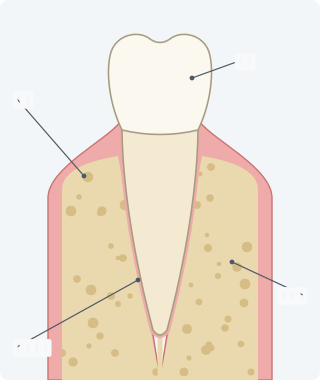
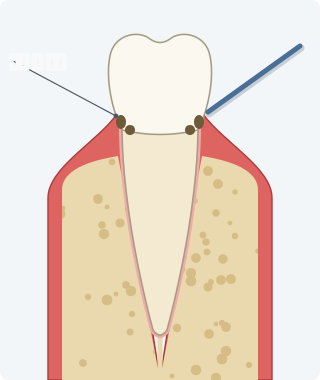
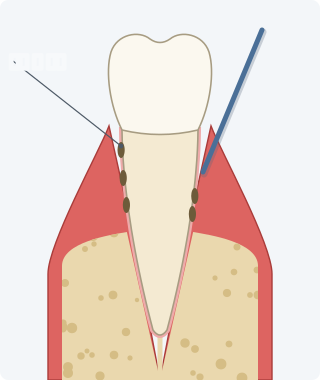
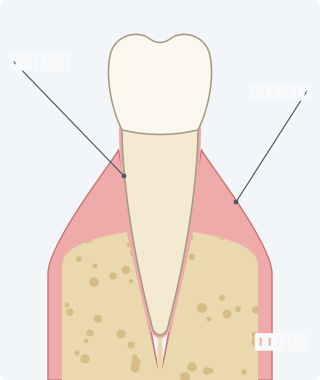
How gum disease progresses
At first only the gums swell, but as inflammation deepens, the bone supporting the teeth is lost.
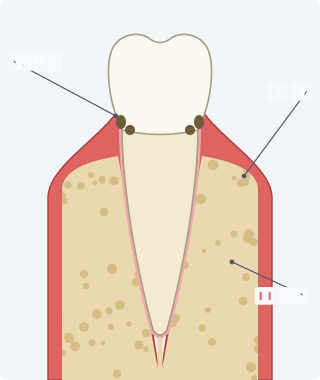
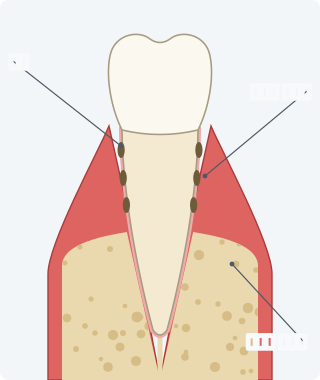
Illustrations are simplified for understanding. For more on periodontal disease, see Korean Academy of Periodontology(in Korean).
Who it is for
- Gums bleed when brushing
- Gums are swollen and there is bad breath
- Teeth feel loose or lifted
- Food keeps getting stuck between teeth
- Another clinic said my gums are not healthy
- I want my gums checked before getting implants
Why a periodontist
Gum disease is the most common cause of tooth loss, and after implants it destroys the bone around them in the same way. At Seoulpil Dental Clinic we diagnose the gums first and plan to save every tooth that can be saved.
Treatment by stage
Scaling · gum treatment
Tartar above the gum is removed, and tartar and inflamed tissue on the root surface below the gum are cleaned under anesthesia.
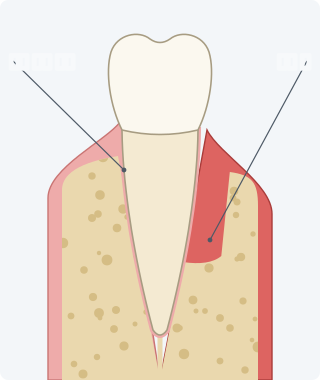
Periodontal surgery · regeneration
Deep inflammation is cleaned under direct view by opening the gum. Depending on the shape of the bone defect, bone graft material or a periodontal regeneration medication (Emdogain) helps restore bone and gum attachment.
Gum grafting · root coverage
Receded gums that expose roots are covered again.
Basic gum treatment
Treatment that removes tartar, the cause of inflammation. Most gum treatment starts here.
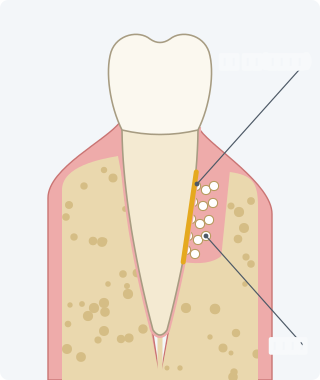
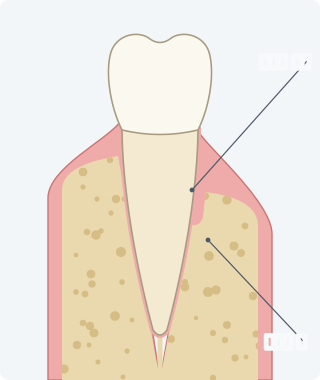
Periodontal regeneration
Where the bone beside the root has a narrow, deep defect, regeneration can be attempted.
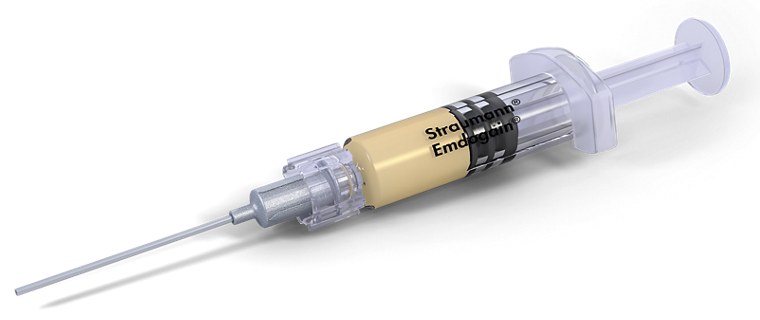
What is Emdogain?
A medication that helps periodontal tissue regenerate. It is a gel containing proteins involved in tooth development, applied to the cleaned root surface during surgery. It helps the root surface, periodontal ligament and bone recover.
We use it when the bone defect shape and inflammation make it suitable. It contains proteins derived from pigs, so please tell us in advance about allergies or any other concerns.
Treatment steps
- ExaminationWe measure gum pocket depth and check bone condition and tooth mobility with X-rays.
- Basic gum treatmentScaling and deep cleaning below the gum are done area by area.
- Re-evaluationAfter 4–6 weeks we measure again to see how much the gums have recovered.
- Surgery · regenerationOnly areas with remaining deep inflammation are treated surgically.
- MaintenanceDepending on gum health, we check and remove tartar every 3–6 months.
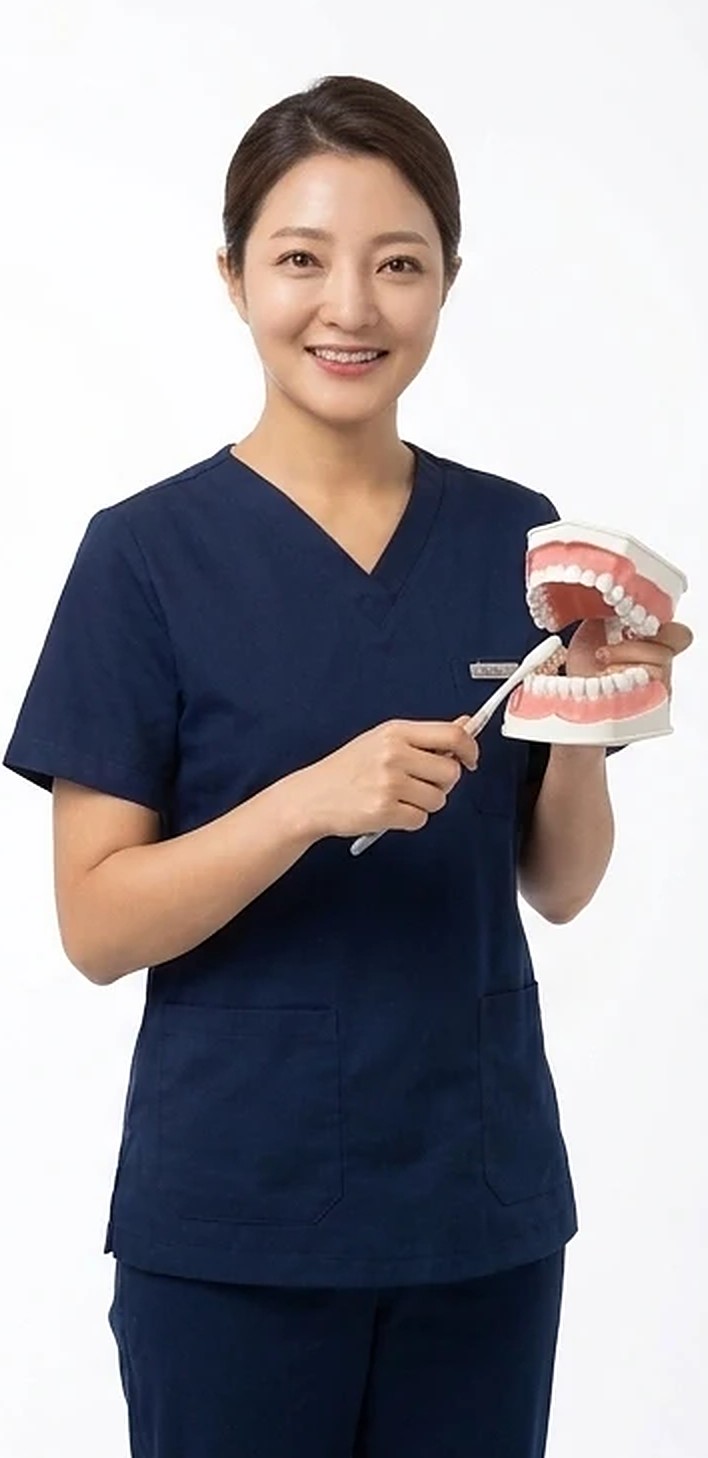
We also show you how to brush
The results of gum treatment continue with care at home. During treatment and maintenance visits, we use a dental model to show a brushing method that is gentler on the gums.
- Anesthesia
- Local anesthesia
- Basic treatment
- 2–4 visits
- Re-evaluation
- After 4–6 weeks
- Maintenance
- Every 3–6 months
Before treatment
- As inflammation settles, gums shrink, so gaps between teeth may look wider or feel sensitive.
- Bone that has already been heavily lost may not fully recover.
- Smoking and uncontrolled diabetes reduce treatment results.
- Some materials used for regeneration are not covered by health insurance.
- Treatment results and recovery time vary with each patient's oral condition.
Frequently asked questions
Is gum treatment covered by health insurance?
Scaling (once a year for ages 19 and over), deep cleaning below the gum and basic periodontal surgery are covered by Korean national health insurance. Some regeneration materials are not covered, and we tell you the cost before treatment.
Is it normal for teeth to be sensitive after gum treatment?
When swollen gums settle, part of the root may be exposed and feel sensitive for a few weeks. It usually fades; if it lasts, we treat the sensitivity as well.
Can loose teeth be saved?
It depends on the cause of mobility and how much bone remains. Treating the inflammation often reduces mobility, so we first assess whether the tooth can be saved rather than extracting it right away.
Can lost gum bone grow back?
If the shape of the defect suits regeneration, part of it can be restored. It is not possible in every case, so we decide based on X-rays and findings during surgery.
Do I need to come back after treatment ends?
Gum disease easily returns without maintenance. Checkups every 3–6 months after treatment are how you keep your teeth for longer.

Board-certified periodontist · wrote and reviewed this page. Lectures for dentists on periodontal plastic surgery and regeneration. Last updated