
- Home
- Complex · Revision Implants
Complex · Revision Implants
If you have put off implants because of insufficient bone, find out whether bone and gum can be built first.
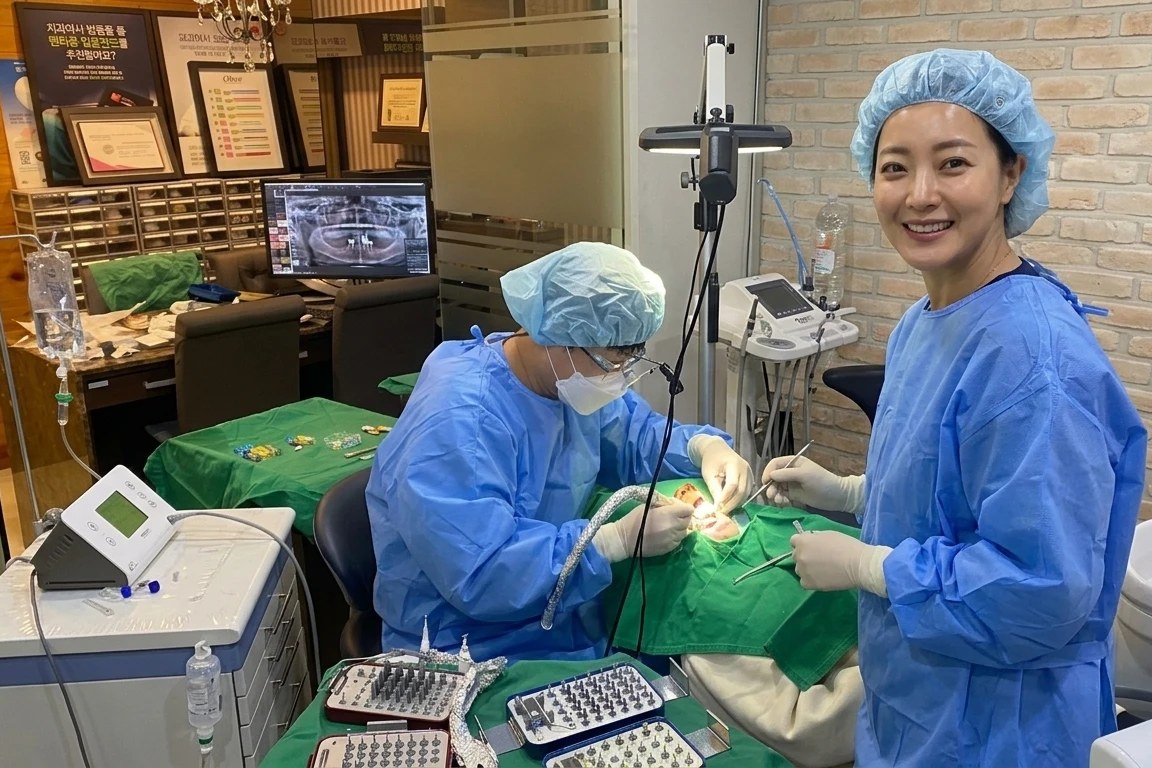
Complex implants are cases where the jawbone is too thin or low to place an implant right away, where the gums are weak, or where an existing implant has inflammation or other problems. After checking the bone and nerve positions with 3D CT, we create space with bone grafting or sinus lift, reinforce the gum if needed, and place the implant.
Who it is for
- I was told implants are difficult because bone is lacking
- I was told the bone above my upper molars is low
- Years of wearing dentures have thinned my jawbone
- The area around my implant is swollen and bleeds
- My implant is loose or has come out
- I was told several teeth must be extracted due to severe gum disease

Were you told it would be difficult elsewhere?
Even if you were told there is not enough bone or that revision surgery is needed, rechecking with 3D CT may reveal a possible option. We explain what is possible and the alternatives.
Why a gum specialist places implants
For an implant to last, the gum and bone around it must hold up. Periodontists work on exactly this throughout their training. Seoulpil Dental Clinic receives many complex surgeries referred by other dentists.
Treatment by situation
Implants with Bone Grafting
Thin or defective jawbone is filled with graft material and a membrane to create a place for the implant.
Sinus lift
The floor of the space above the upper molars (maxillary sinus) is raised and filled with bone.
Digital guide
Positions are planned in advance with 3D CT and intraoral scans and placed exactly as planned.
Treatment steps
- 3D CT diagnosisWe check bone height and width, nerve and sinus positions and gum thickness.
- Treatment planWe explain whether bone grafting is needed, simultaneous or staged placement, and the total time and cost.
- Preparing gum · boneGum treatment and bone grafting are done first if needed.
- Implant placementThe implant is placed as planned, and we wait while it bonds with the bone.
- Restoration · maintenanceAfter the tooth is attached, the gums around the implant are checked regularly.
- Anesthesia
- Local anesthesia
- Diagnosis
- 3D CT
- Total time
- Usually 3–9 months
- Maintenance
- Every 6 months
Before treatment
- Total treatment time is longer if bone grafting is needed.
- Swelling and bruising may occur for a few days after surgery.
- Smoking, diabetes and gum disease raise the risk of implant failure and peri-implantitis.
- Revision may add time to remove the existing implant and let the bone recover.
- Treatment results and recovery time vary with each patient's oral condition.
Frequently asked questions
Another clinic said implants are not possible. Could they be possible here?
When bone is lacking, space can usually be created with bone grafting or sinus lift. Some cases remain difficult depending on general health or bone condition, so we check with 3D CT and explain what is possible and the alternatives.
Can peri-implantitis be treated?
Early on, the surrounding inflammation is cleaned and the surface disinfected to restore health. If much bone is lost, we perform regeneration, or remove the implant, let the bone recover and place it again.
Is it covered by health insurance for those 65 and over?
Korean nationals aged 65 and over are covered for up to two implants in their lifetime, reducing the out-of-pocket cost. Some items such as bone grafting have different coverage, which we explain at the consultation.
How much longer does it take with bone grafting?
It depends on the graft size. Done together with the implant, there is little difference; if the bone must be built first, several months are added.
Who performs the surgery?
All implant surgery at Seoulpil Dental Clinic is performed by Dr. Byoung-Kyou Park, board-certified periodontist.

Board-certified periodontist · wrote and reviewed this page. Lectures for dentists on implant surgery, bone grafting, sinus lift and digitally guided surgery. Last updated