
- Home
- TMJ · Botox
TMJ · Botox
Jaw pain and teeth grinding damage teeth, gums and even implants. We find the cause and treat it step by step.
TMJ disorder refers to pain, clicking or limited opening of the jaw joint and chewing muscles. Most cases improve without surgery through medication, habit changes and a night-time appliance (splint). For severe grinding or clenching, Botox is also used in the chewing muscles.
Who it is for
- My jaw clicks when I open my mouth
- My jaw or temples often hurt
- I can't open my mouth well
- I've been told I grind my teeth in my sleep
- My jaw feels stiff and tired in the morning
- My teeth are worn or grooved at the gum line
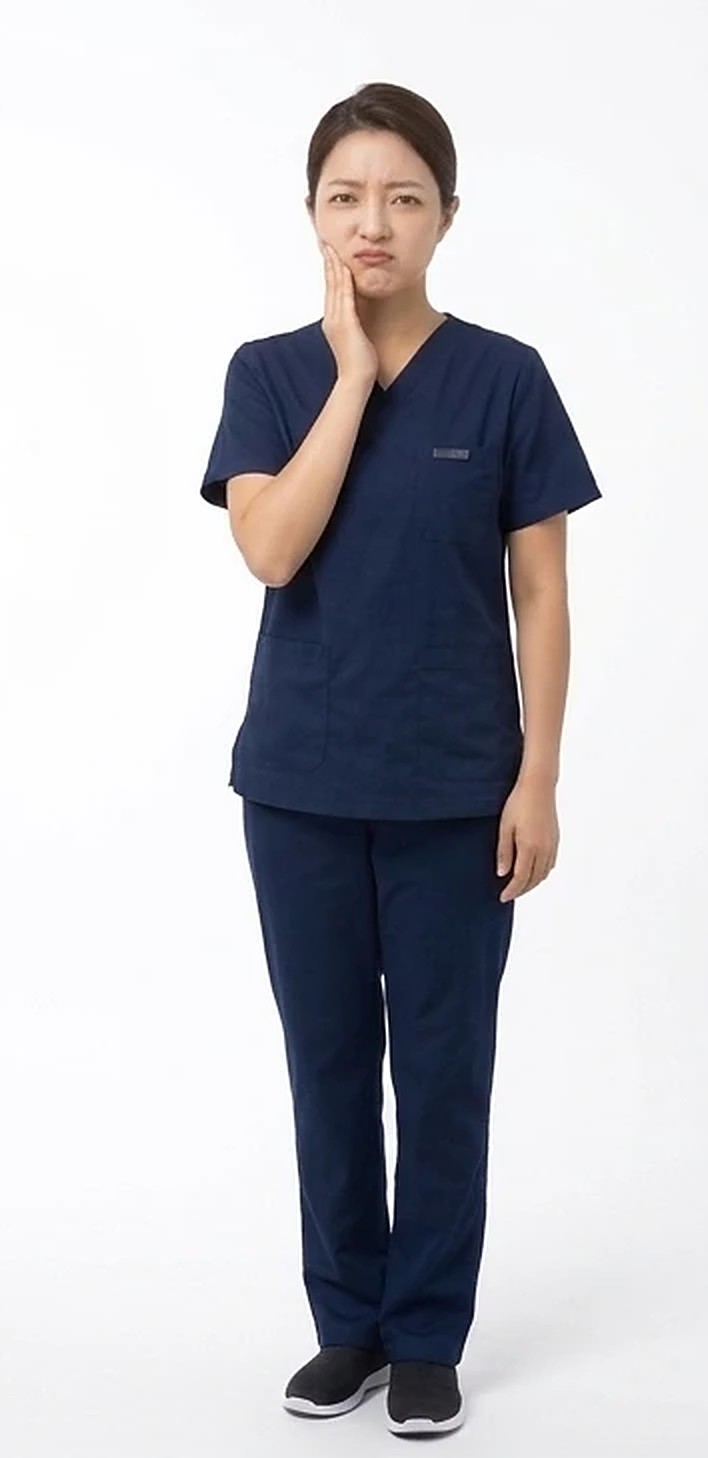
Does your jaw hurt or click?
If your jaw hurts or clicks when opening, or feels stiff in the morning, both the jaw joint and the chewing muscles need to be examined. Depending on the cause, we combine medication, appliances and Botox.
It also protects your teeth and gums
Grinding and clenching are common causes of tooth wear, gum recession and implant fracture. That is why we also recommend an appliance after gum and implant treatment.
Treatment options
Medication · habits
Medication reduces inflammation and muscle tension, and we adjust hard foods and clenching habits.
Splint
A night-time occlusal stabilization appliance reduces strain on the jaw joint and tooth wear.
Botox
Reduces the strength of chewing muscles enlarged by grinding and clenching. The effect usually lasts 3–6 months.
Treatment steps
- ExaminationWe check mouth opening range, joint sounds, muscle pain and tooth wear.
- ImagingIf needed, the joint bone is checked with a panoramic X-ray or CT.
- First-line treatmentWe start medication and habit adjustment.
- Appliance · BotoxA splint is made from impressions, with Botox if needed.
- Follow-upThe appliance is adjusted as symptoms change.
- Surgery
- Usually not needed
- Appliance fabrication
- 1–2 weeks after impressions
- Botox effect
- About 3–6 months
- Follow-up
- Every 2–4 weeks
Before treatment
- A splint may feel foreign and cause extra saliva for the first few days.
- Chewing may feel weaker for a few days after Botox.
- Joint bone deformation or severely limited opening may require collaboration with a university hospital.
- If causes such as stress and posture continue, symptoms may return.
- Treatment results and recovery time vary with each patient's oral condition.
Frequently asked questions
My jaw only clicks and does not hurt. Does it need treatment?
Without pain or limited opening, we usually monitor it. If the sound changes or the jaw catches, please get it checked.
Is a splint covered by health insurance?
Appliance treatment for a diagnosed TMJ disorder may be covered by Korean national health insurance. We explain based on the diagnosis.
Can I get Botox at a dental clinic?
Botox in the chewing muscles to treat grinding and clenching is provided at the dental clinic. Botox is not covered by health insurance.
Do I have to wear the appliance for life?
As symptoms improve, wearing time is reduced. If grinding continues, some patients keep wearing it at night to protect their teeth.
Is square-jaw Botox the same thing?
It is injected into the same chewing muscle but for a different purpose. Seoulpil Dental Clinic focuses on treating grinding and clenching symptoms.

Board-certified periodontist · wrote and reviewed this page. Last updated